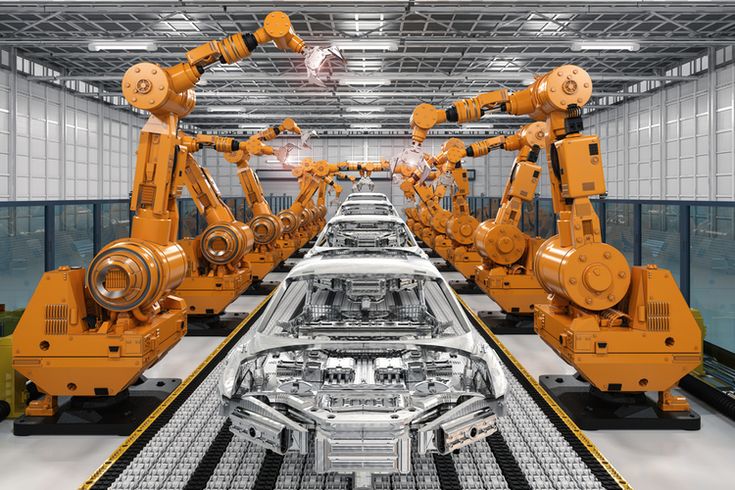

Automotive Manufacturing

Automotive Manufacturing Filtration Solutions
Automotive manufacturing requires precise control over contamination throughout the production and paint process. From electrodeposition and ultrafiltration to primers, base coats and clear coats, filtration plays an important role in maintaining consistent coating quality and protecting critical process systems.
Trinity Filtration Technologies provides industrial filtration solutions for automotive manufacturing applications where reliable contaminant removal, consistent filtration performance and process protection are essential.
Filtration for Automotive Manufacturing Processes
Automotive assembly plants handle a wide range of coatings and process fluids. During manufacturing, contaminants can enter the process from vehicle bodies, welding and forming operations, overhead conveyors, air-handling systems, cleaning materials and the surrounding production environment.
These contaminants may include fibers, solid particles, oils, gels and other agglomerated materials. If they remain in the coating system, they can contribute to surface defects and increase the need for rework. The automotive assembly filtration reference highlights filtration as an important control point for reducing these contaminants and maintaining paint quality.
Automotive Paint Filtration
Paint quality is one of the most critical areas where filtration can directly influence the finished vehicle. Automotive coating systems need filtration that removes unwanted contaminants without unnecessarily removing desirable pigments, metallic flakes or other coating components.
This is where classification filtration becomes important. A suitable classifying filter is designed to remove unwanted oversize particles while allowing desired coating components to pass through. The reference document specifically distinguishes classification from conventional clarification for automotive paint applications.
Effective paint filtration can help:
- Reduce particulate contamination
- Minimize paint-related surface defects
- Maintain consistent coating quality
- Protect downstream equipment
- Reduce unnecessary filter change-outs
- Reduce rework associated with coating defects
Electrodeposition (ED) Filtration
Electrodeposition is an important stage in the automotive coating process because the ED coating forms the foundation for subsequent paint layers.
Contamination entering the ED system can originate from the vehicle body, forming and welding processes, overhead conveyors, airborne particles or the paint itself. The PDF emphasizes that defects in the ED layer can remain visible through subsequent coating stages, making contamination control at this stage particularly important.
A properly selected filtration system can help remove unwanted contaminants from the ED process and support consistent coating quality.
The reference application guide indicates 30–70 µm absolute filtration and a recommended flow of 5–7 GPM per 10-inch filter for the specific ED application discussed in the document. Actual filtration specifications should always be selected according to the process conditions and system design.
Permeate & Ultrafiltration Prefiltration
Ultrafiltration systems are used within automotive ED processes to support high-quality rinse water and maintain the required solids-to-water balance.
Because UF membranes can be affected by larger particles, effective prefiltration is important for protecting the membrane and helping reduce fouling and cleaning requirements. The filtration system must also provide appropriate classification so that desirable paint components are not unnecessarily removed from the process.
For permeate rinse systems, filtration also helps prevent contaminants and larger agglomerated particles from reaching spray nozzles and causing blockages.
Primer, Base Coat & Clear Coat Filtration
Filtration requirements vary across the different stages of an automotive paint system.
Primer Filtration
Primers provide an important foundation for subsequent coating layers. Effective filtration helps control unwanted particles that could affect the quality of the finished coating.
Base Coat Filtration
Base coats require controlled filtration to remove unwanted contaminants while maintaining the desired coating characteristics. The reference guide identifies separate filtration considerations for base-coat solids and metallic/mica applications.
Clear Coat Filtration
Clear coats are the final visible coating layer and require effective contamination control to achieve a consistent surface appearance. The reference guide identifies filtration for clear-coat applications with filtration requirements different from those used for primers and base coats.
Why Filter Construction Matters
Not every filter performs the same way under changing operating conditions.
The automotive assembly reference compares rigid and non-rigid filter constructions and explains how changes in differential pressure can influence pore structure and filtration performance. Rigid depth filtration can maintain more consistent filtration characteristics, while some non-rigid filter media may compress, expand or release captured contaminants under changing pressure conditions.
For automotive paint applications, depth filtration can provide multiple opportunities for contaminant capture. Its tortuous internal pathways can improve the retention of deformable contaminants compared with surface filtration approaches.
Contaminants in Automotive Paint Systems
Automotive paint systems can be exposed to different types of contamination throughout the assembly process.
Common contaminants identified in the reference material include:
- Fibers
- Solid particles
- Oversize particles
- Oils
- Gels
- Deformable agglomerates
- Contaminants originating from body assembly
- Airborne particles
- Conveyor and handling-related particles
Fibers can contribute to paint defects, while deformable contaminants such as oils, gels and silicones can contribute to surface problems such as cratering and fish-eye defects.
Filtration and Reduction of Paint Rework
Paint-related defects can lead to additional inspection, sanding and rework. The reference document identifies fibers, solid contaminants, craters and fish eyes among the major causes associated with paint rework.
Higher-quality filtration can help control these contaminants before they create defects, supporting improved first-pass coating quality and potentially reducing rework requirements.
The source material reports that plants using the referenced filtration technology achieved significant reductions in rework compared with certain conventional filtration methods. These figures are technology- and application-specific and should not be presented as guaranteed results for every automotive plant.
Selecting the Right Automotive Filtration System
The right filtration system depends on the specific automotive application and operating conditions.
Important selection parameters include:
- Type of paint or process fluid
- Contaminant type and size
- Required filtration rating
- Flow rate
- Fluid viscosity
- Solids concentration
- Operating temperature
- Differential pressure
- Required filter service life
- Compatibility of filter media with the process
The automotive assembly reference specifically identifies solids content, paint viscosity and temperature as important considerations when designing filtration systems.
Automotive Filtration Solutions from Trinity
Trinity Filtration Technologies can support automotive manufacturers with filtration solutions selected around their specific process requirements.
Whether the application involves electrodeposition, UF prefiltration, permeate rinse water, primer, base coat or clear coat filtration, the filtration system should be selected based on the required contaminant removal, flow conditions and process objectives.
Our approach focuses on helping automotive manufacturers achieve:
- Consistent Filtration Performance
Reliable contaminant control throughout the filtration cycle. - Improved Process Protection
Filtration designed to help protect downstream equipment and process systems. - Better Coating Quality
Effective control of unwanted particles and contaminants that can affect surface finish. - Reduced Maintenance
Appropriately selected filtration can help reduce unnecessary filter changes and contamination-related maintenance. - Process-Specific Solutions
Filtration selection based on the actual fluid, contaminant, flow and operating conditions.
Frequently Asked Questions
Automotive manufacturing filtration involves removing unwanted contaminants from process fluids and coating systems used during vehicle production. Applications can include electrodeposition, ultrafiltration prefiltration, permeate rinse systems, primers, base coats and clear coats.
Filtration helps control fibers, particles, gels, oils and other contaminants that can affect coating quality and contribute to surface defects and rework.
Classification filtration is designed to remove unwanted particles above a specified size while allowing desirable pigments and coating components to pass through. This is particularly important where removing the desired paint components could negatively affect the process.
Filtration can be applied in electrodeposition systems, UF prefiltration, permeate rinse systems, primer systems, base-coat systems and clear-coat systems.
By controlling unwanted fibers, solid particles, deformable contaminants and other foreign materials before they reach critical coating stages, filtration can help reduce contamination-related defects and the resulting need for rework.
Reliable contamination control is essential for maintaining consistent automotive coating processes. Trinity Filtration Technologies provides filtration solutions focused on the specific requirements of industrial applications.
We are always ready to help you and answer your questions